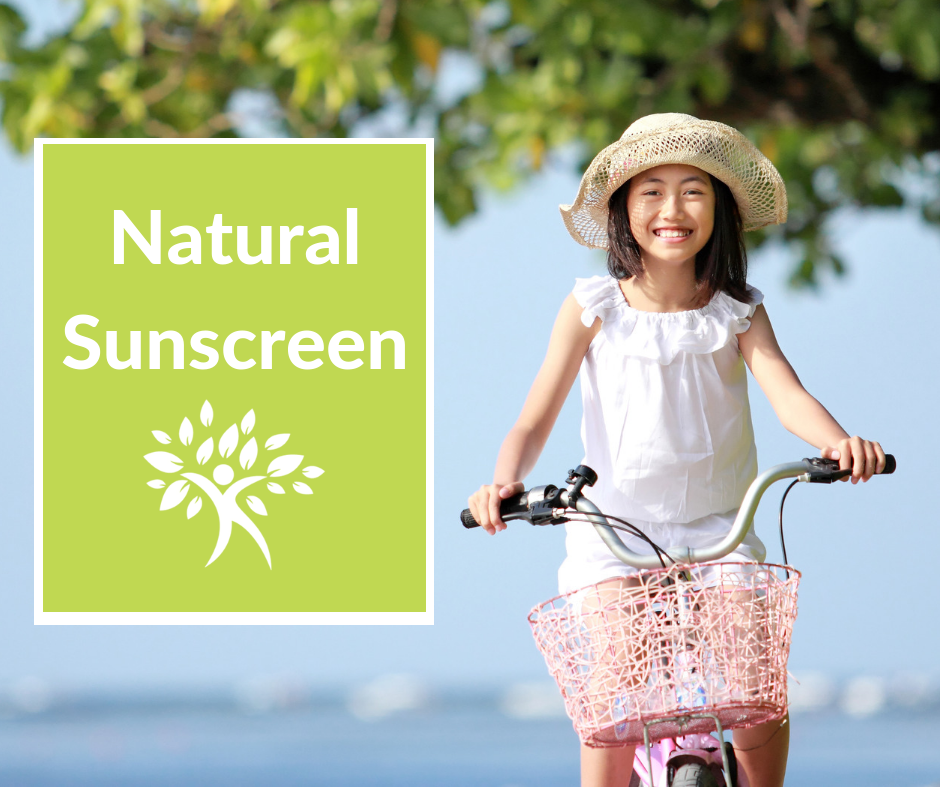
Spring is here which means many of us will be spending more time outside and more time in the sun. Conventional “wisdom” tells us to disregard natural alternatives and to reach for drugstore sunscreen to avoid harmful burns caused by UVA and UVB rays. But what many of us don’t know is that commercial sunscreen can disrupt our body chemistry and leave us with harmful side effects. This spring season consider natural sunscreen instead.
Commercial Sunscreen is Harmful
It blocks the body’s ability to absorb Vitamin D
- Vitamin D is a critical nutrient for healthy immune systems and skin. Additionally, it also acts as a natural antibiotic which can help alleviate psoriasis, acne, and contributes to overall health and well-being.
It contains harmful chemicals that penetrate the skin and disrupt hormones
- The most common sunscreens on the market contain chemical fillers which may pose hazards to human health. These include oxybenzone, avobenzone, octisalate, octocrylene, homosalate and octinoxate. Moreover, these chemicals are able to penetrate the skin, disrupt hormones, trigger skin allergies, and cause toxicity in the body.
Healthy nutrition is key. Supplement with…
- Alpha lipoic acid (400-600mg daily) to shield the body from oxidative damage
- Carotene A, vitamin C, E, and B complex to naturally increase your skin’s protection from the sun
- Zinc (50mg daily) to decrease skin photosensitivity
Consider using natural alternatives to commercial sunscreen…
- Coconut Oil: is high in antioxidants which help prevent burning and oxidative damage. It naturally has an SPF of 4-6 and can be used as a base in homemade sunscreens. Include it in your diet to give your body sun protection from the inside-out.
- Carrot Seed Oil: is high in Vitamin A, beta carotene, antioxidants, and naturally contains an SPF of 38-40. Carrot seed is also a natural antiseptic that has been shown to help with skin irritation, rejuvenate the skin, as well as prevent and heal infection.
- Red Raspberry Seed Oil: has a natural SPF of 28-50 and has been shown to protect against both UVA and UVB rays. It is high in antioxidants and has a natural anti-inflammatory effect.
Or try a Natural Sunscreen Product…
Check out Ancient Minerals for even more detailed information about natural sunscreens.
Try some Natural Alternatives to Sunscreen. Get access to easy, actionable health tips right in your inbox. Join the NHS community so you can improve your life and take control of your health today.
[wpforms id=”15943″]