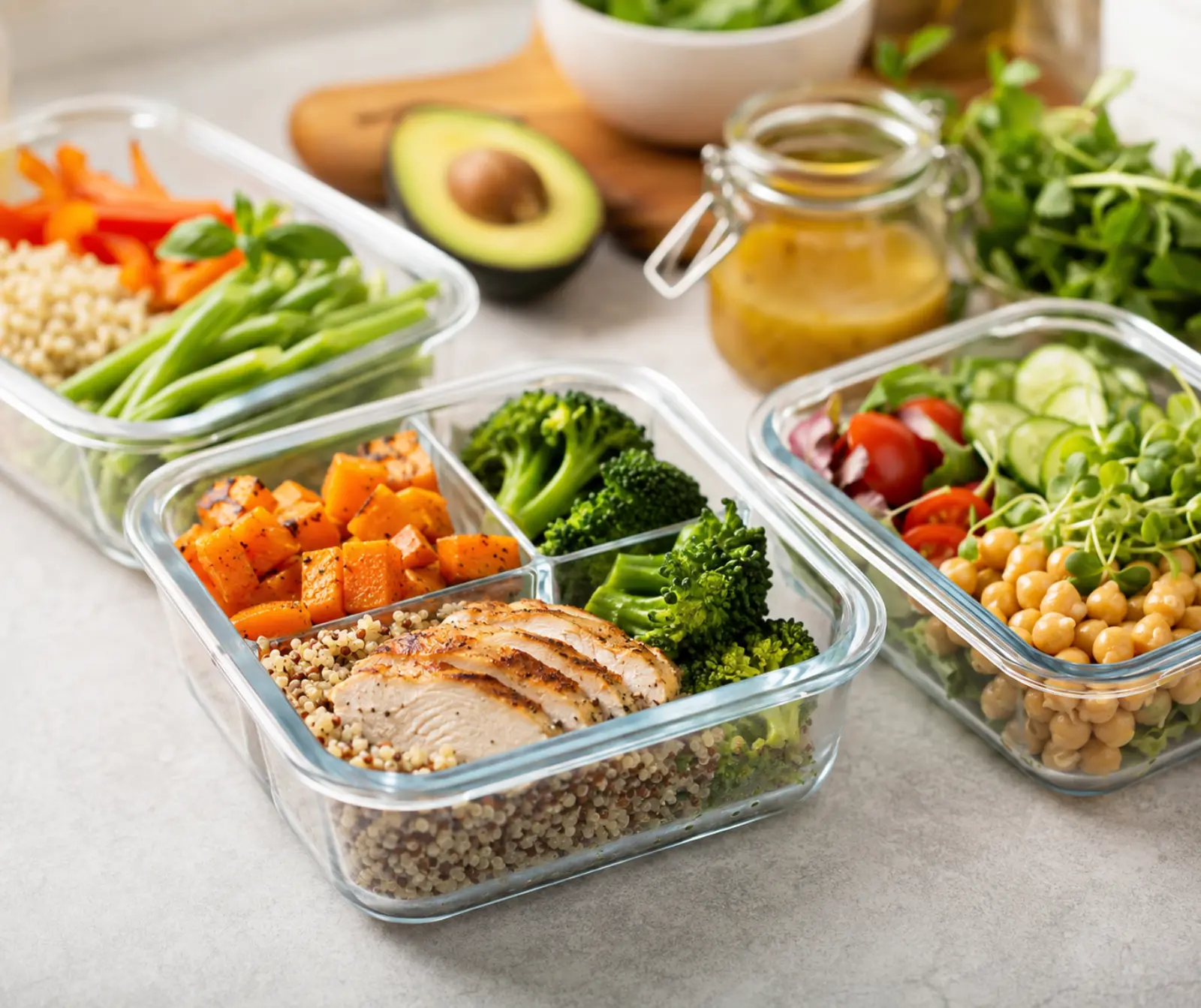
Meal prep has been a popular habit for years, but not all meal prep is created equal. Packing a week of identical containers might save time, but it does not always support your body the way it should. That’s where an integrative nutrition meal plan comes in.
Rather than treating meal prep as a task to check off, functional meal prep looks at the bigger picture: what your body needs to function well, and how your meals can be structured to support that over the long run.
Understanding “Functional” Meal Prep
Functional meal prep focuses on supporting overall health through nutrient-dense foods, balanced meals, and thoughtful planning, rather than simply filling containers with whatever is quick and convenient. It considers how food choices affect energy, digestion, hormone balance, and inflammation, and it builds meals around those needs.
The benefits tend to show up in ways that go beyond the scale. Many people notice steadier energy throughout the day, smoother digestion, and a general sense that their meals are working with them instead of against them. Because the meals are planned around nutrient density rather than convenience alone, it becomes easier to stay consistent, even on busy weeks.
If building a plan on your own feels overwhelming, working with a natural health consultant can help you map out a meal structure suited to your specific needs. A quick phone call is often enough to figure out whether that kind of support makes sense for you.
Four Simple Tips for Successful Functional Meal Prep
1. Create a meal plan and write a corresponding grocery list
Before you step into the kitchen, decide what you are actually going to eat for the week. Sketch out breakfasts, lunches, and dinners, then build your grocery list directly from that plan. This one step prevents the two most common meal prep failures: running out of an ingredient mid-week and buying food that never gets used.
2. Choose a day or time dedicated to prepping
Consistency matters more than perfection. Whether it is a few hours on Sunday afternoon or two shorter sessions during the week, blocking off dedicated prep time keeps the habit from falling apart the moment your schedule gets busy.
3. Shop smart
Stick closely to your list, and prioritize whole, minimally processed ingredients: vegetables, quality proteins, whole grains, and healthy fats. Buying ingredients that are in season can also stretch your budget further while keeping meals nutrient-dense.
4. Buy quality storage containers
Good containers are not just about aesthetics. Leak-proof, appropriately sized, and microwave- or freezer-safe containers make it far easier to grab a meal and go, which keeps you from reaching for less nutritious options when time is short.
Functional Meal Prep Ideas to Try
A well-rounded integrative meal plan usually includes a mix of proteins, complex carbohydrates, healthy fats, and plenty of vegetables. Here are a few ideas to build from.
Breakfasts
- Overnight oats with chia seeds, berries, and a scoop of nut butter
- Vegetable and egg muffins that reheat in under a minute
- Greek yogurt parfaits layered with fruit and a low-sugar granola
Lunches
- Grain bowls with quinoa, roasted vegetables, and a protein of choice
- Big-batch soups that hold up well over several days
- Mason jar salads with dressing kept separate until ready to eat
Dinners
- Sheet pan meals with a protein and two or three vegetables roasted together
- Slow-cooker proteins that can be portioned into multiple meals
- Stir-fries built around whatever vegetables are freshest that week
A Sample Functional Meal Prep Schedule
A simple week might look like this: Sunday afternoon for grocery shopping and a two-hour prep session covering breakfasts and lunches for the week, a mid-week check-in on Wednesday to restock any produce that has run low, and a shorter prep session Wednesday evening to prepare dinners for the second half of the week. Adjusting this rhythm to your own schedule, rather than forcing a rigid template, is often what makes the habit stick.
Ready to Get Started?
Building an integrative nutrition meal plan does not require a complete lifestyle overhaul overnight. Start small, whether that means prepping just breakfasts for the first week or simply writing out a grocery list before you shop. Consistency, not perfection, is what builds sustainable habits over time.
If you would like more personalized guidance on structuring integrative meal plans around your own health goals, our team is happy to talk through what that could look like for you.
Book your appointment today for an in-person or online consultation.