Each season brings its own set of allergies. Typically this is in the form of dust allergies in winter, pollen in spring, and mold in summer. Frequent bouts of uncontrollable sneezing and coughing greet us each season. Fortunately, there are many natural remedies which help us prevent and reduce these symptoms.
Dust allergies are the most common and are caused by extremely tiny dust mites. These bugs belong to the spider family and feed on dead skin cells that people regularly shed. Since these bugs are able to survive in nearly all climates, it’s nearly impossible to prevent them entirely. In addition, inhaling the dust particles provoke the immune system to react which results in sneezing, runny nose, itching, red eyes, and shortness of breath, coughing and wheezing.
As there is no real solution besides prevention, you may have wondered how you can tackle the problem. Have a look at some of the amazing Ayurvedic remedies for dust allergies that will help you to deal with these symptoms effectively.
Honey
Local or raw honey contains small amounts of local pollen. Regular consumption of 2 teaspoons of it makes you less sensitive of pollen or dust mites. Take it twice daily and empower yourself against the effects of a dust particle. It helps in seasonal allergies too.
Air Filters and Purifiers
Filtering and purifying the air around you can help you breathe in fresh and clean air. The right air purifier can grab and trap the allergens which are floating without hindrance and improve air quality so that you can inhale dirt-free air. Using air filters and purifiers can help ease respiratory diseases too.
Turmeric and Milk Delight
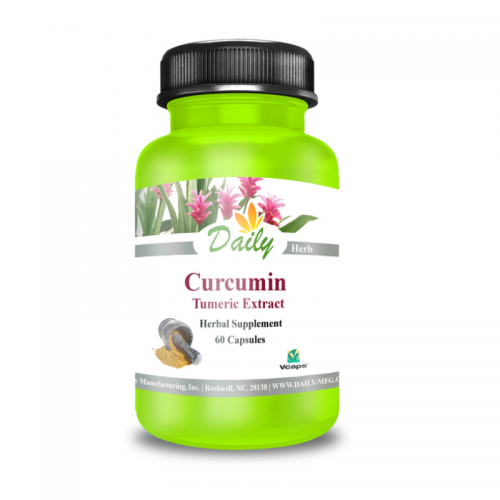
Add a half tablespoon of turmeric to a cup of milk and bring it just short of boiling for a couple of minutes. Add honey for taste and drink when it cools. Take it daily before going to bed and you will feel the change gradually. This golden delight is the best home remedy for allergies but also a weak immune system. An active constituent in turmeric acts as a natural decongestant and reduces the release of histamines which is responsible for allergies. Regular intake of this turmeric and milk mixture also prevents the allergies from turning into an infection. If you’re interested in consuming more turmeric on a daily basis, try our turmeric extract capsules.
Neti Pot
Neti pots are mainly used for nasal irrigation performed with warm salt water. It has a special recognition in Ayurveda and is very helpful while dealing with nasal allergies. Basically, the nasal passages are rinsed by pouring warm salt water into one of the nostrils and it comes out from the other. This procedure has been in practice for centuries and done with a container shaped like a flattened teapot having a spout on one end. But make sure you have researched this procedure carefully before trying this on your own. Refer to an expert if you lack the knowledge.
Peppermint tea
Add a teaspoon of dried peppermint leaves and honey to a cup of hot water and sip. Drink this mixture on a daily basis. The anti-inflammatory and decongestant properties of peppermint relieve dust allergies by reducing congestion, sneezing, cough and runny nose.
Green Tea
Most people are familiar with green tea. But many people don’t know that green tea can relieve the symptoms of allergies, especially if they are caused by dust and dirt. Green tea is abundant in antioxidant properties which treat various allergies and their symptoms.
Cow’s Ghee
Putting cow’s ghee in the nostrils is one of the best Ayurvedic remedies for nasal allergies. Two drops of pure cow ghee put into the nostrils every morning forms a protective layer against the allergens or dust mites. Therefore the dust particles that enter your nose don’t provoke symptoms like a cough, sneeze and runny nose.
Vitamin C
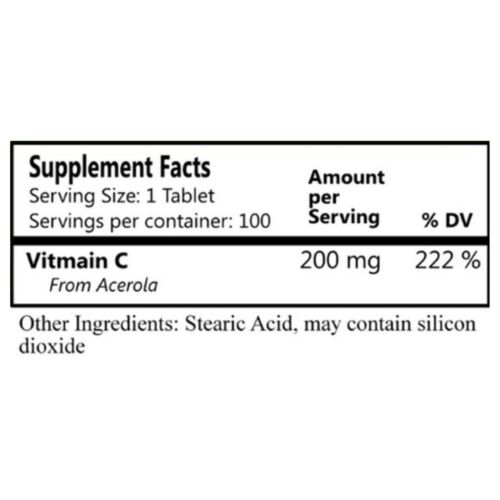
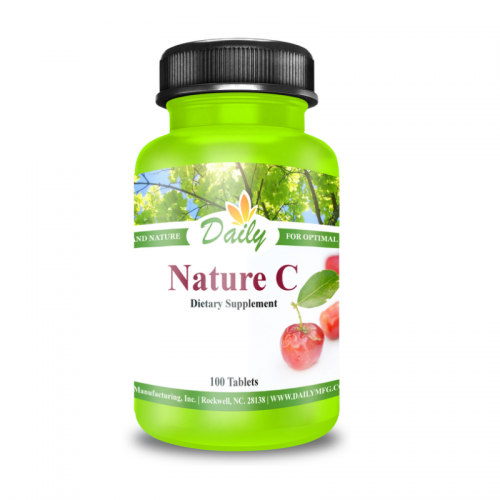
Histamine is an organic nitrogenous compound involved in immune responses against any of the trespassing element inside the body. Histamine has a central role as a mediator of allergies. Vitamin C carries amazing antioxidant potential making it efficient in treating dust and other seasonal allergies. This is because Vitamin C prevents the release of histamines. Take a diet rich in Vitamin C like citrus fruits and green leafy vegetables.
Now that you know how to tackle dust allergies symptoms, continue to take the proper precautions! After all, prevention is best! So keep your house clean, vacuum your carpets regularly, and wash pillows and toys too. Additionally use a dehumidifier indoors, don’t let insects and rodents inhabit your home, and if your symptoms don’t improve consider working with a Naturopath.

Did learning about natural remedies for dust allergies inspire you? Subscribe to the NHS Newsletter so you can get more healthy tips right in your inbox!
[wpforms id=”15943″]